TownWaterCheck | Morristown, NJ · 2026
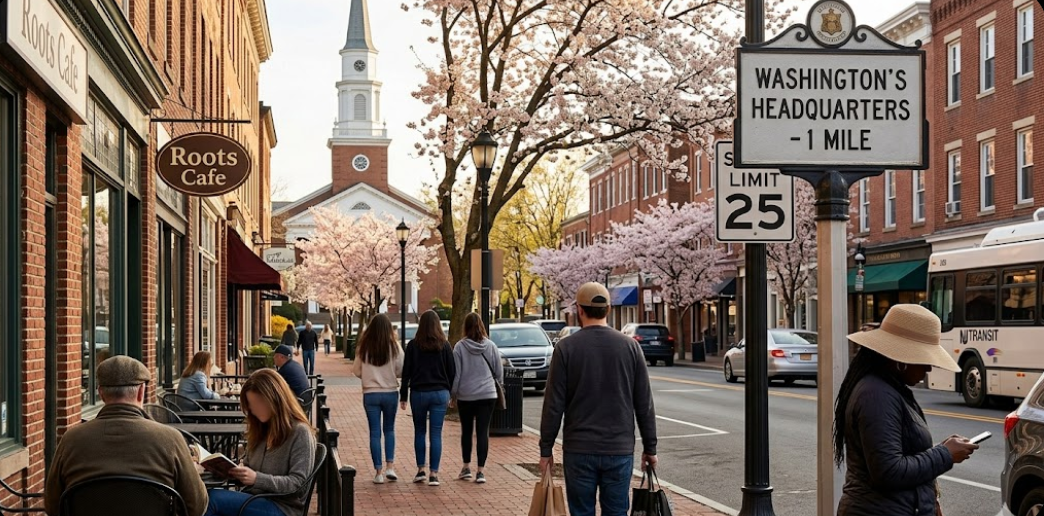
After careful review, Morristown, NJ's tap water quality received a C- or “Fair” rating on the TownWaterCheck index, which ranges from A+ to F. Further on, we’ll explain our grading system and what led us to this conclusion. We’ll also look at how neighboring communities compare, and what you can do to improve your tap water quality.
Just like the air we breathe and the food we eat, the water we drink is a primary building block of our long-term health. While municipal systems meet basic standards, many “forever chemicals” (PFAS) and industrial byproducts aren’t fully regulated yet, meaning they can build up in your body over time.
The good news? There are tangible, low-cost filter upgrades available right now that deliver high-quality water at 1/1,000 the cost of bottled water — the most convenient, eco-friendly, and affordable health upgrade you can make today.

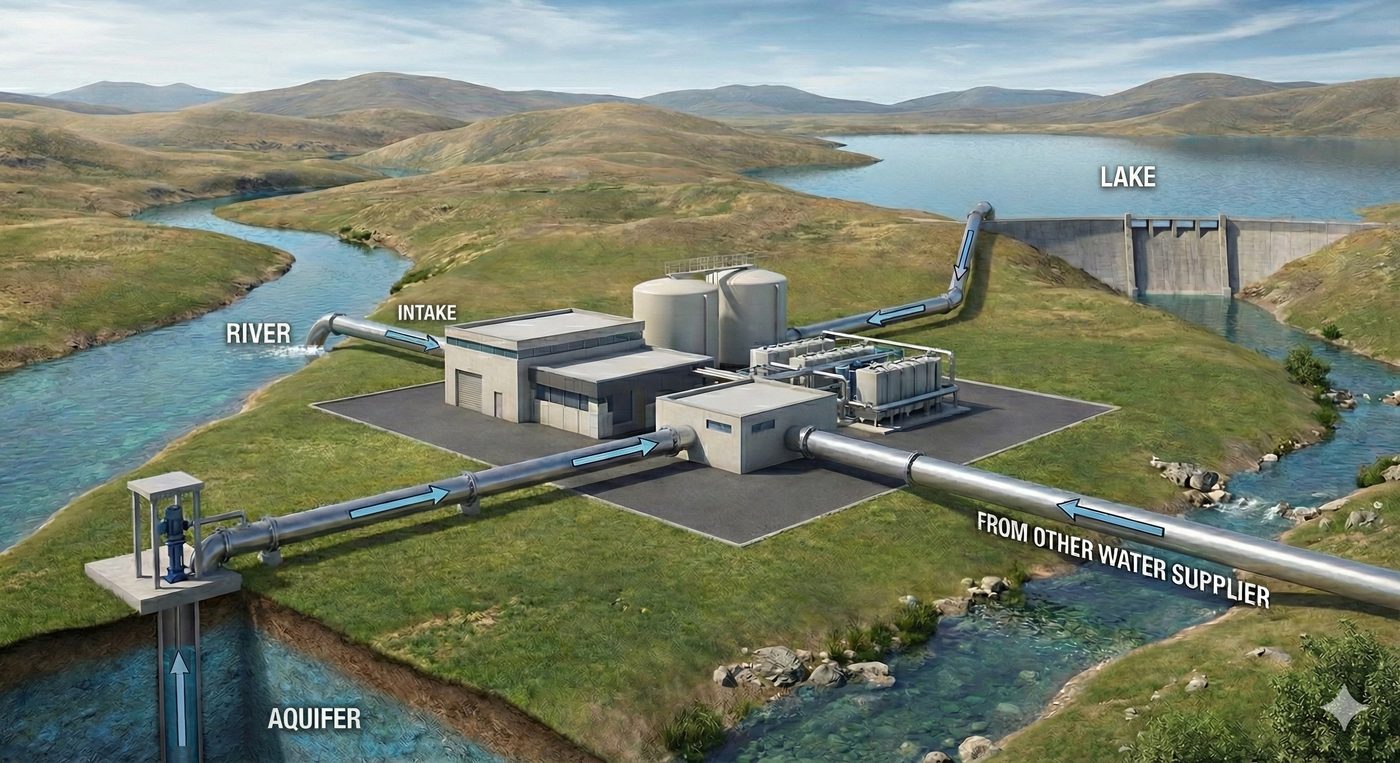
Morristown's water comes from a blend of surface water drawn from the Clyde Potts Reservoir and groundwater sourced from the glacial sand and gravel aquifer and the Brunswick aquifer. The system also purchases finished water from neighboring utilities. Treatment includes membrane filtration, granular activated carbon adsorption, chlorine disinfection, and corrosion control—a multi-barrier approach designed to address contaminants at the source level.
The 2024 data reveals several contaminants of concern. PFAS ("Forever Chemicals") are present at levels that exceed federal limits: PFOA measures 9.9 ppt (roughly 248% of the EPA MCL, or Maximum Contaminant Level—the legally enforceable upper limit), and PFOS reaches 5.1 ppt (128% of the MCL). These chemicals, used in industrial applications and some consumer products, persist indefinitely in the environment and in the human body. Additionally, manganese, a naturally occurring mineral, is elevated at 120 ppb (240% of the EPA limit), and total dissolved solids (TDS)—a measure of overall mineral content—reaches 690 ppm (138% of the limit). These elevated mineral levels are attributed to road de-icing salt use in the region.
Morristown's water is not fluoridated. While fluoride is added to some municipal water supplies to support dental health, this community receives no fluoridation treatment.
Uranium was measured at 3.9 μg/L (ppb) — only 13.0% of its EPA limit.
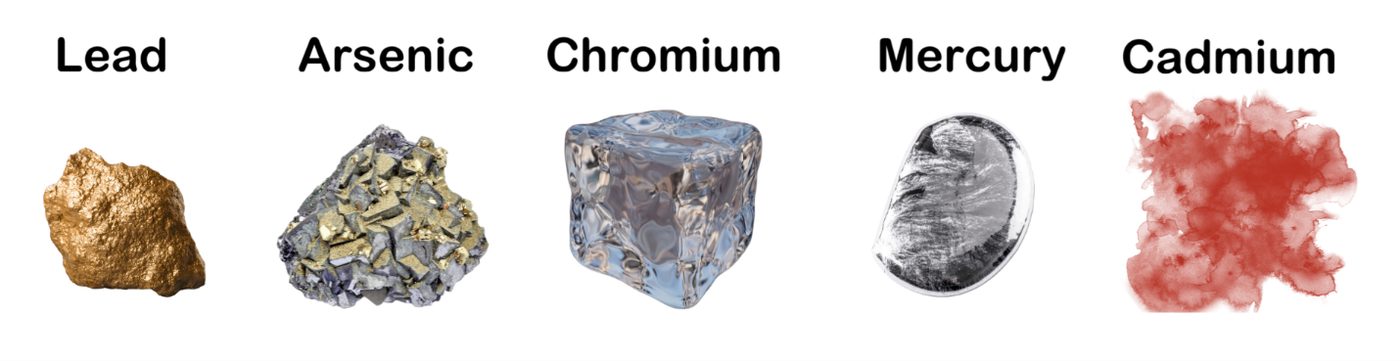
Among the most common and concerning contaminants in tap water are heavy metals, including Lead, Arsenic, Chromium, Mercury and Cadmium. So harmful are these toxic substances that the EPA limits their presence in tap water to between two and one hundred parts per billion — equivalent to one drop in a large hot tub.
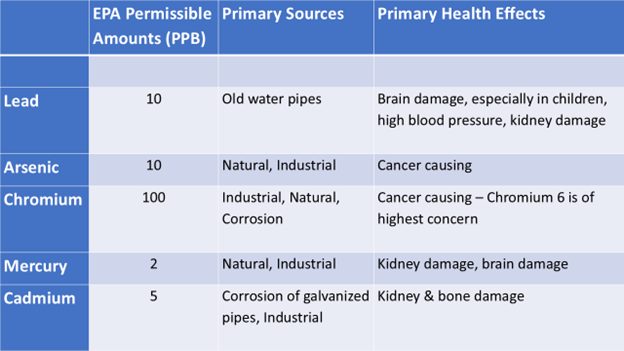
In Morristown, the following heavy metals were detected in the tap water supply:
Not to be outdone by nature, man has created nearly indestructible “Forever Chemicals” or PFAS (per- and polyfluoroalkyl substances). In the 1930s, chemists bonded Carbon to Fluorine, creating non-stick pans, water-resistant clothing, and industrial fire retardant. But the legacy is persistent contamination that the human body cannot break down.
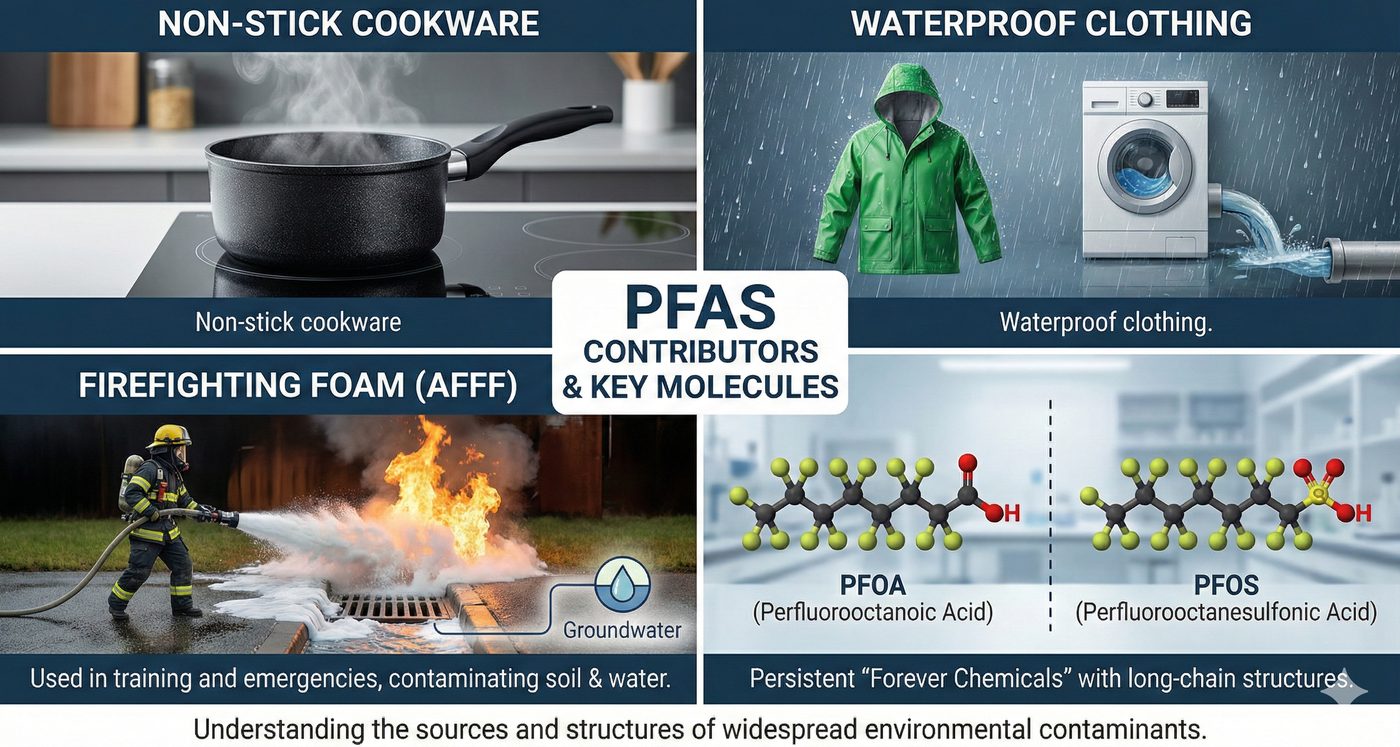
Morristown's tap water exceeded the 2024 EPA PFAS limits for 2 compounds, which was a key contributing factor toward the grade.
The 2024 EPA PFAS limits are not yet fully enforced, but reflect the latest science on long-term health risk. PFAS have been linked to immune dysfunction, elevated cholesterol, developmental issues in children, and increased cancer risk.
The following additional contaminants were detected in Morristown's water supply:
Think of pure H&sub2;O as nature’s masterpiece. Adding contaminants diminishes its quality. The more toxic the contaminant, in greater quantity, the lower the grade. Multiple contaminants compound the effect. Water containing both lead and arsenic, for example, would grade worse than either alone.
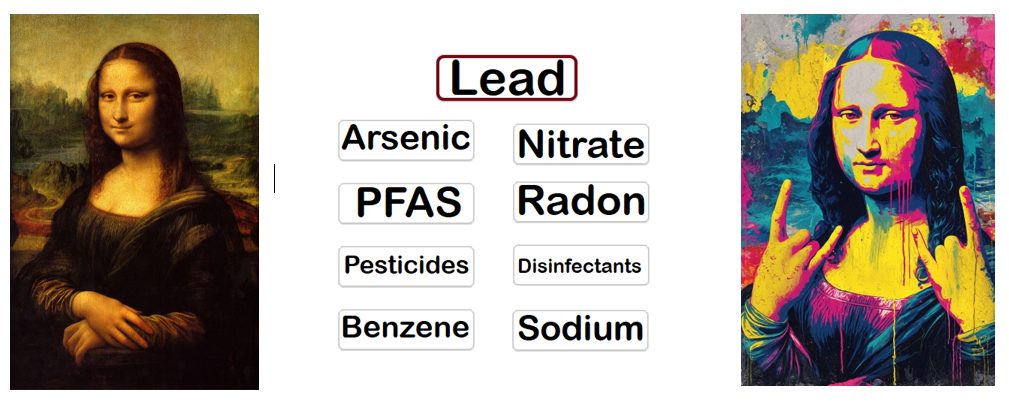
In Morristown’s case, the following factors drove the grade:
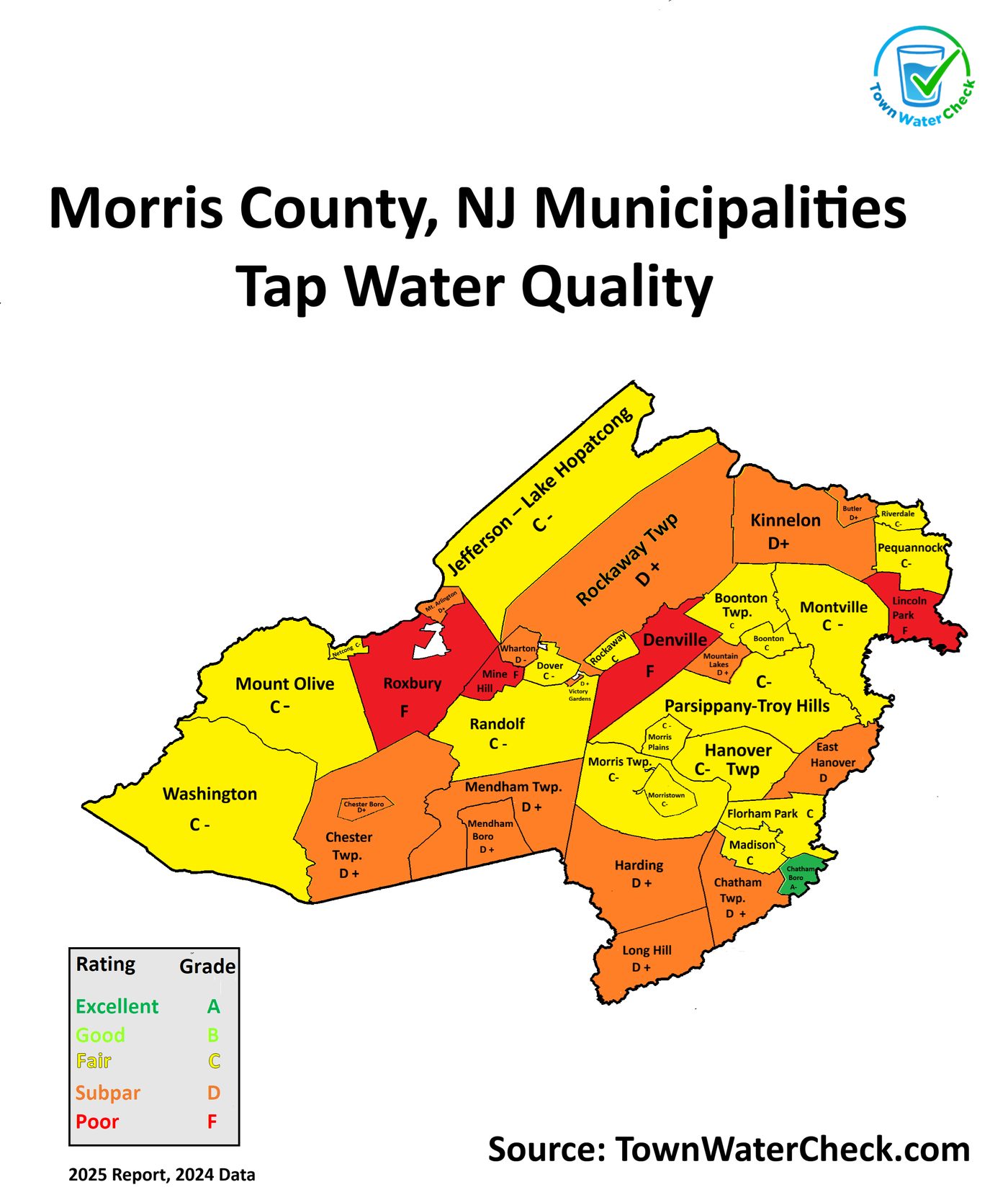
Morristown's tap water grade of C- places it in the middle of the Morris County distribution (ranked 15 of 39). Chatham Borough received the best grade in the county (A- — Excellent).
| Municipality | Grade | Rating | Key Driver |
|---|---|---|---|
| Chatham Borough | A- | Excellent | PFOA 3. |
| Boonton Township | C | Fair | Purchases all water from Boonton Town . |
| Boonton Town | C | Fair | PFOA/PFOS own system. |
| Madison | C | Fair | Own groundwater (5 wells, Buried Valley Aquifer). |
| Rockaway Borough | C | Fair | Groundwater (3 active wells + backup). |
| Florham Park | C | Fair | . |
| Riverdale | C- | Fair | Corrected: worst-case per contaminant across own well (~75%). |
| Mt Olive | C- | Fair | — |
| Dover | C- | Fair | . |
| Pequannock (Cedar Crest) | C- | Fair | Purchases 100% from the regional water commission via Riverdale. |
| Montville | C- | Fair | Own Indian Lane wells (~90%) + the regional water authority, the regional water supplier, the regional water commission. |
| Washington Township | C- | Fair | Two systems: Schooley's Mountain + Hager (NJ1438. |
| Jefferson Lake Hopatcong | C- | Fair | . |
| Netcong | C- | Fair | — |
| Morristown | C- | Fair | Served by the county utilities authority . |
| Hanover Township | C- | Fair | Served by the county utilities authority . |
| Morris Township | C- | Fair | Served by the county utilities authority . |
| Morris Plains | C- | Fair | Served by the county utilities authority . |
| Randolph | C- | Fair | Purchases 100% from the county utilities authority groundwater . |
| Parsippany-Troy Hills | C- | Fair | — |
| Mountain Lakes | D+ | Subpar | — |
| Mendham Township | D+ | Subpar | Served by the local water system. |
| Mendham Borough | D+ | Subpar | Served by the local water system. |
| Chatham Township | D+ | Subpar | Served by the local water system. |
| Chester Borough | D+ | Subpar | Served by the local water system. |
| Chester Township | D+ | Subpar | Served by the local water system. |
| Harding Township | D+ | Subpar | Served by the local water system. |
| Long Hill Township | D+ | Subpar | Served by the local water system. |
| Rockaway Township | D+ | Subpar | Groundwater (3 plants). |
| Mt Arlington | D+ | Subpar | — |
| Butler | D+ | Subpar | Surface water source (Kakeout Reservoir). |
| Kinnelon | D+ | Subpar | . |
| Victory Gardens | D+ | Subpar | Served by Dover Water Commission . |
| East Hanover | D | Subpar | . |
| Wharton | D- | Subpar | — |
| Lincoln Park (Jacksonville) | F | Poor | Purchases from Montville (Indian Lane wells + the regional water commission + the regional water authority . |
| Mine Hill | F | Poor | Purchases 100% from the county utilities authority . |
| Roxbury | F | Poor | Three sub-systems (Skyview , Shore Hills ,. |
| Denville | F | Poor | lead monitoring. |
Note: Grade reflects tap water quality — not the performance of the water supplier. Others may reach different conclusions.
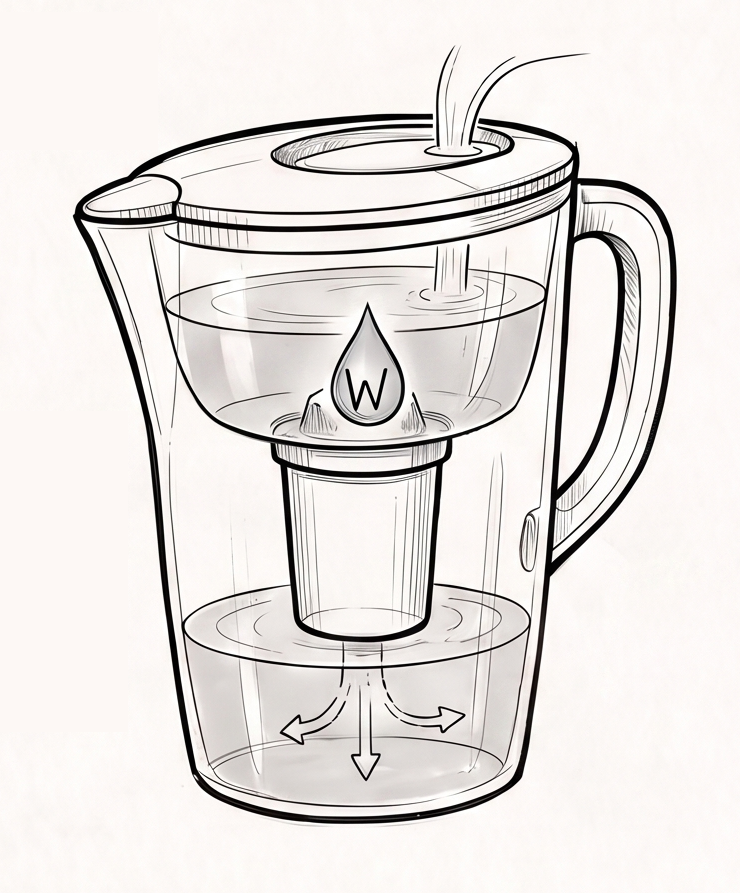
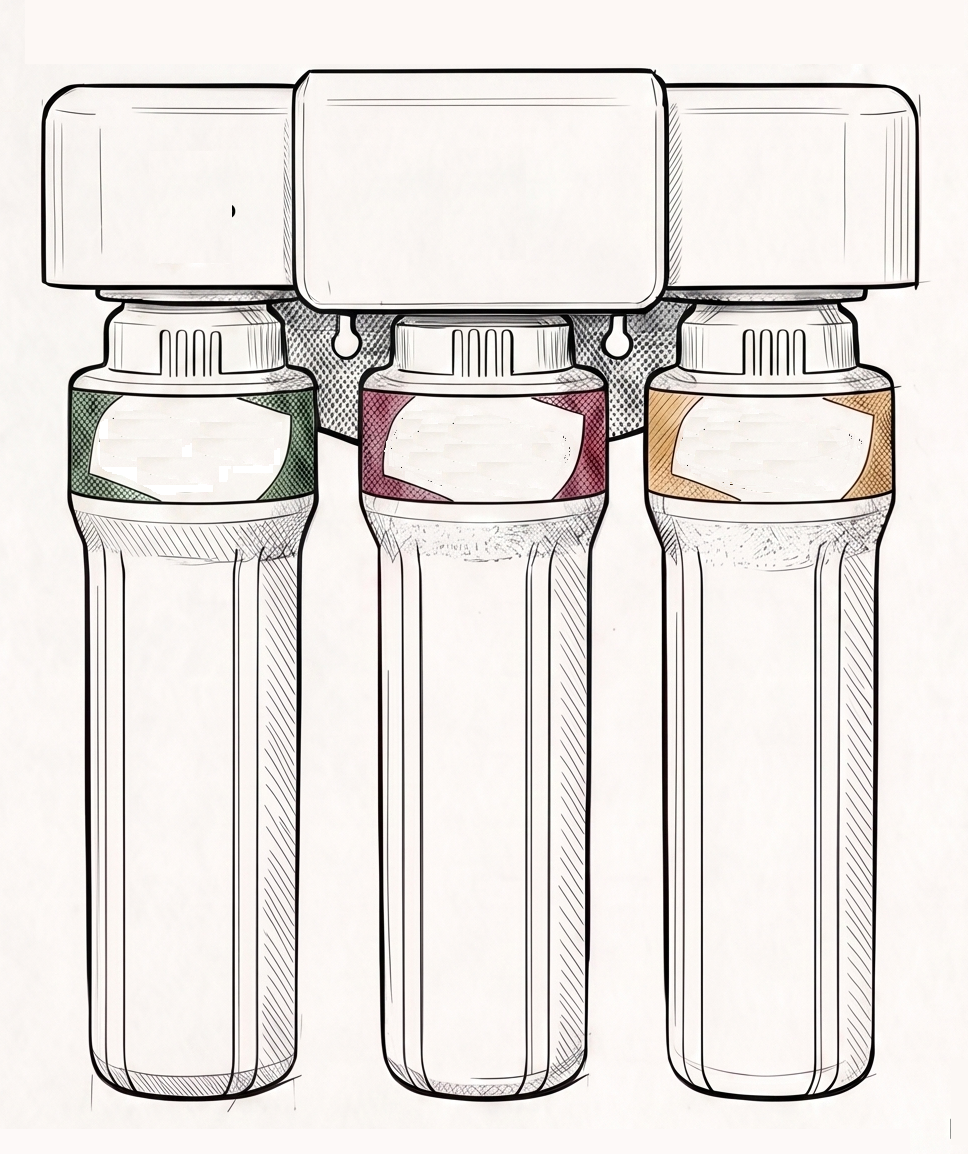
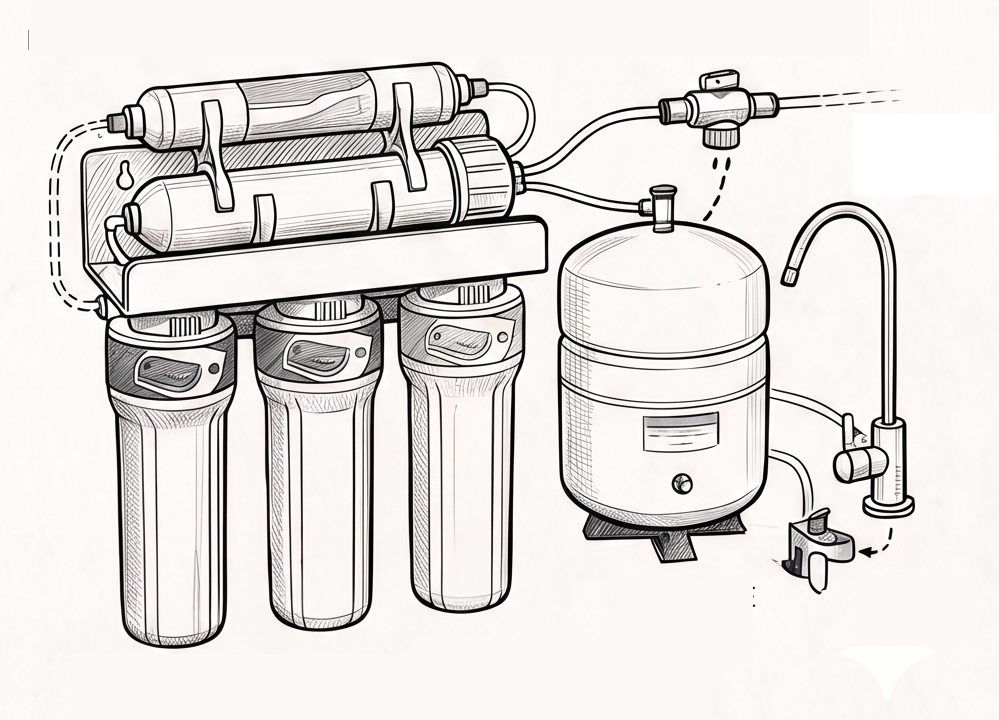
Verify certifications at nsf.org/certified-products before purchasing. Click any card for a detailed buying guide matched to your water profile.
We hope that our tap water information has proven helpful.